Old Ideas.
New Experience.
Ilisus is turning static stories into dynamic experiences. Step into a moment, make the calls, move through time on a map, and see what follows. Every experience comes with its sources and a reading list, so you can keep going.
Start here
Watch someone walk through the war.
A real session in Liberty, our atlas of the Revolution, where one click flies the map to Lexington and the next sets the lines at Bunker Hill in motion.
Recorded in Liberty. The video plays on its own and has no sound.
A river, a tree, and a conversation.
The Ilisos was a small river just outside the walls of ancient Athens. In Plato's Phaedrus, Socrates walks its bank with a friend and sits down to talk in the shade of a plane tree.
Learning there happened outdoors, in conversation, at the pace of the people walking. We took the name because that is the kind of learning we want to build.
Each Ilisus experience puts a map, a timeline and real sources together. You don't just read about ideas. You step into them, make the choices, and see what follows.
A fair resting place, full of summer sounds and scents.Plato, Phaedrus, c. 370 BCEMore about the name →
Help us shape what comes next.
We are building the first experiences now. Try a pilot before anyone else, or tell us what to fix and what to build.
Pick the experiences you care about and we will send you a pilot when it is ready. Your picks help decide what we finish first.
Found an error, a gap or a bias? Have an idea for a moment you want to step inside? Every note is read.
Find your way in.
Every Ilisus experience starts from an old idea: a war, a city, a book, a life. Pick the one that pulls at you.
Featured
More experiences
Our Philosophy of Learning, Truth, and AI
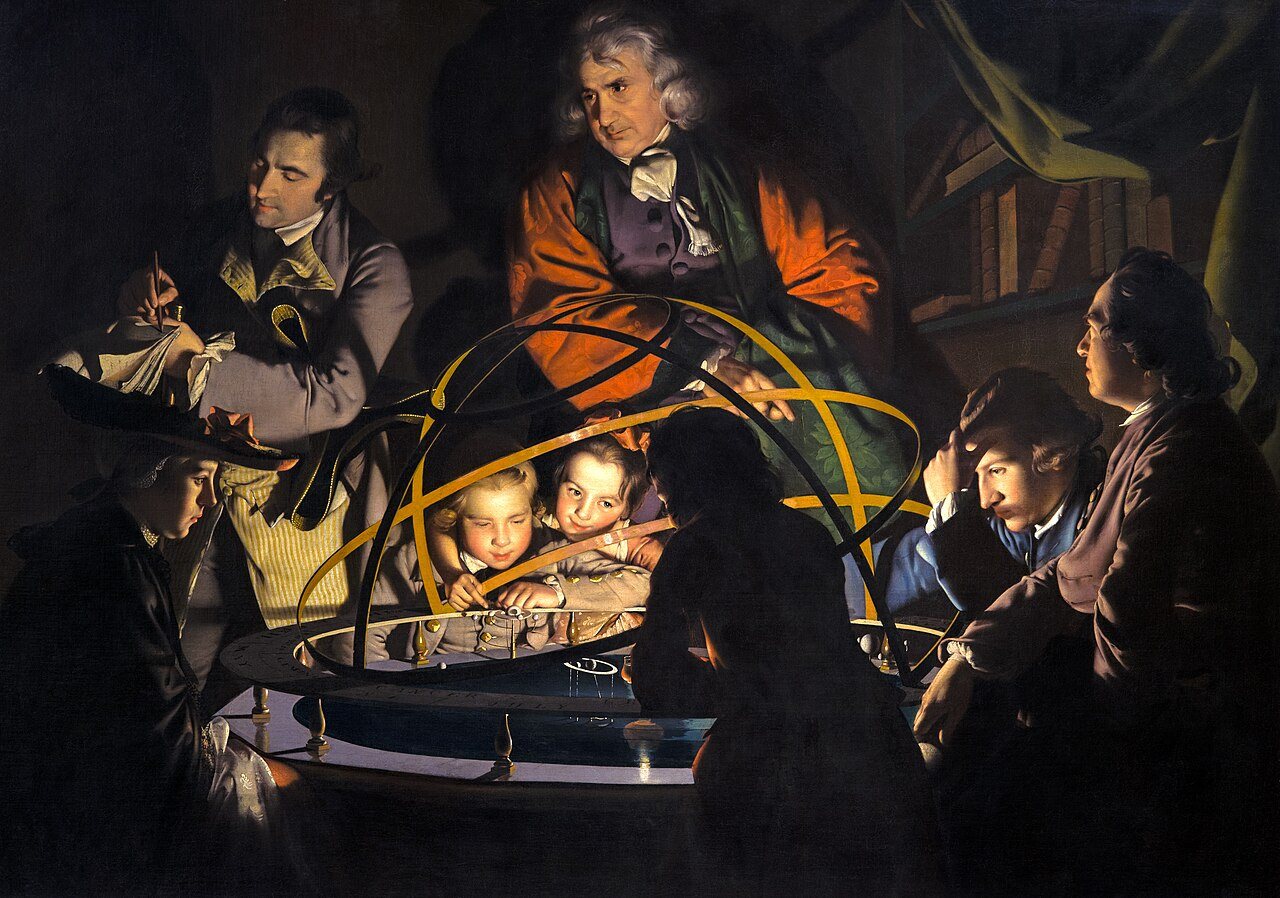
Learning takes diligence.
Understanding is earned, not handed over. Ideas are meant to be absorbed three ways: through reading, through discussion, and through experience. Reading gives depth. Discussion tests what we think we know. Experience makes it last.
Our experiences are built for the third, and they point back to the first two. They do not replace the book or the classroom. They send you back to both with better questions.
What informs how we build
- Experiential learning. Kolb's cycle of doing, reflecting, generalizing and trying again.[1]
- The ICAP framework. Learning deepens as people move from passive to active, constructive and interactive engagement.[2]
- Multimedia learning. People learn more from words and pictures together than from words alone.[3]
- Desirable difficulties and retrieval. Effort that feels harder in the moment, such as recalling and deciding, produces more durable learning.[4][5]
- Active learning. Participation improves performance in the courses where it has been studied.[6]
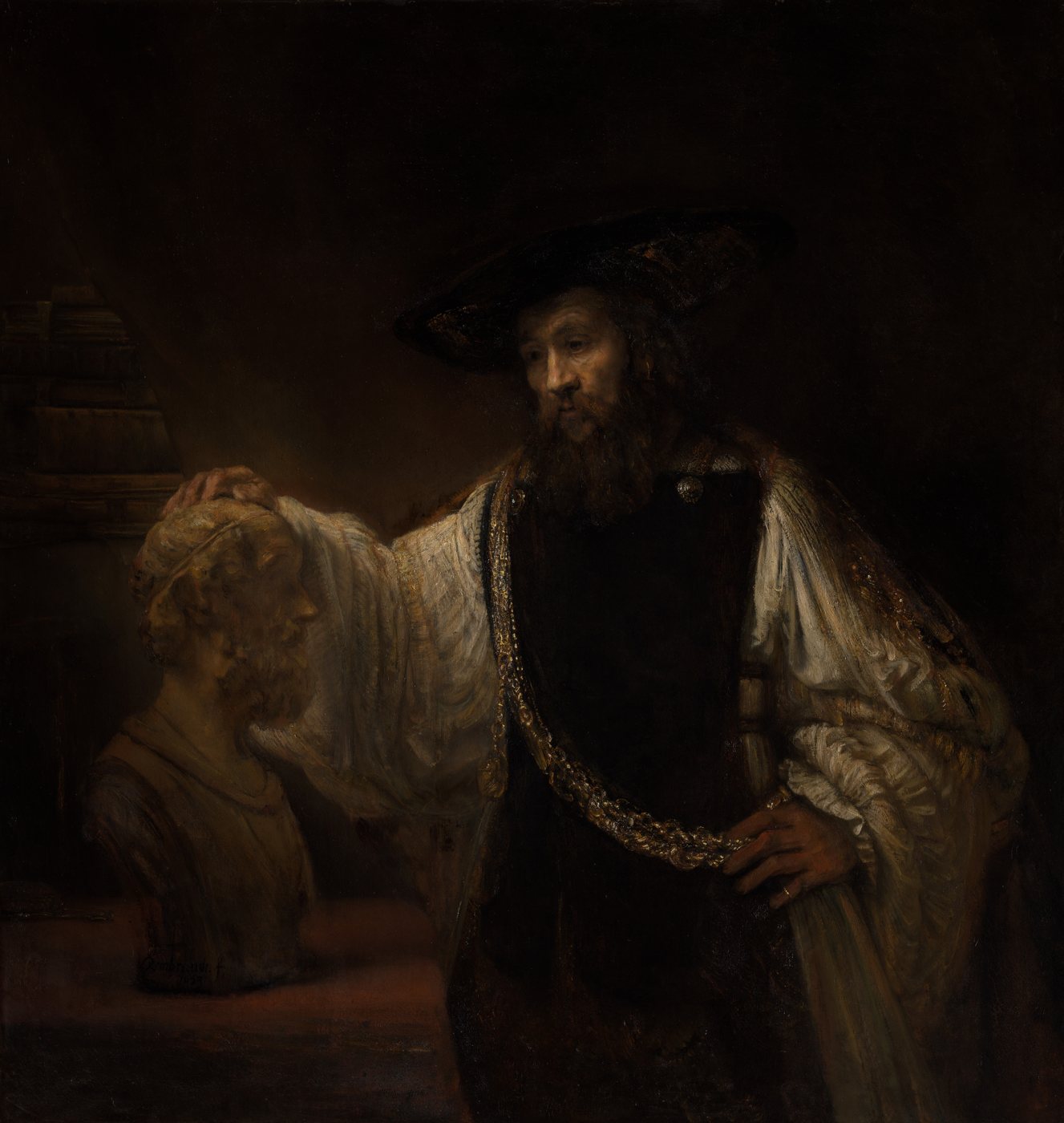
The Truth.
We believe there is objective truth, and that it can be found. The past happened one way and not another. Our work is to come as close to it as the evidence allows.
That means letting every voice in the record speak: the general and the private, the victor and the defeated, the believer and the skeptic. Hearing every voice is not the same as calling every voice right. It is how the truth comes into view.
We lean into the truth even when it is uncomfortable. We do not soften what happened to make it easier, and we do not sharpen it to make a point. We work to remove bias, our own included, by checking claims across independent sources and showing where each one comes from.[7]
Above all, we want people asking questions: of the past, of us, and of themselves.
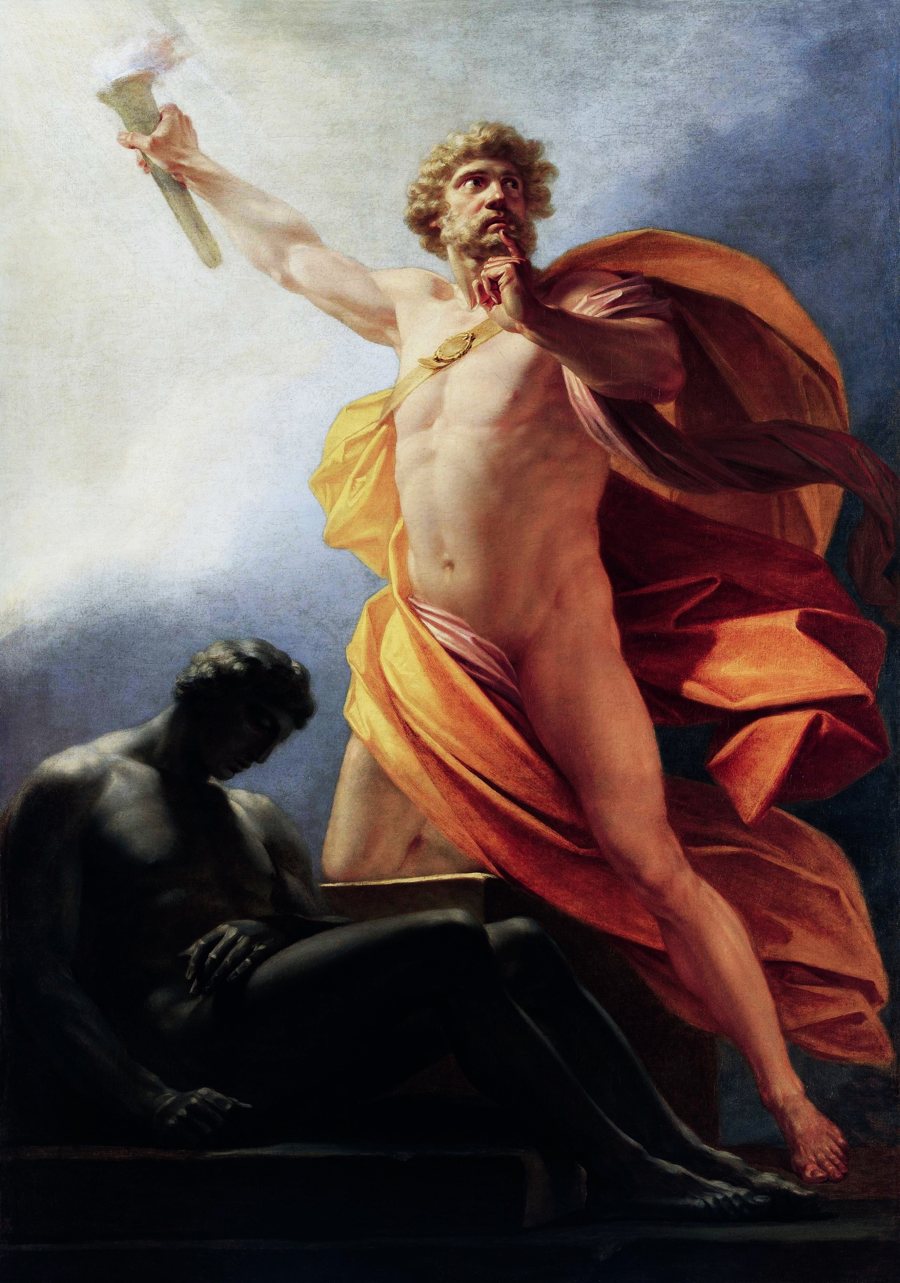
AI, and the gift of fire.
In Greek myth, Prometheus, whose name means forethought, gave fire to humanity.[8] In Plato's telling, fire and craft were not enough. People also needed justice and respect for one another to use them well.[9]
AI is a new kind of fire. It lets a small team build what once took years of specialist work.[10] It can also state false things with confidence and repeat the biases of what it learned from.[11][12] So we use it with forethought.
We use AI to build our experiences. We check what it produces against credible sources, and we work to remove error and bias. People decide what is true, what matters and what is worth telling. When we get something wrong, we want to hear it, and we will correct it. The humanities are human first.[13]
Sources
The research and works behind this page.
- Kolb, D. A. (1984). Experiential Learning: Experience as the Source of Learning and Development. Prentice Hall.
- Chi, M. T. H., & Wylie, R. (2014). The ICAP Framework: Linking Cognitive Engagement to Active Learning Outcomes. Educational Psychologist, 49(4), 219 to 243. doi:10.1080/00461520.2014.965823
- Mayer, R. E. (2009). Multimedia Learning (2nd ed.). Cambridge University Press.
- Bjork, E. L., & Bjork, R. A. (2011). Making Things Hard on Yourself, but in a Good Way: Creating Desirable Difficulties to Enhance Learning. In Psychology and the Real World (pp. 56 to 64). Worth.
- Roediger, H. L., & Karpicke, J. D. (2006). Test-Enhanced Learning: Taking Memory Tests Improves Long-Term Retention. Psychological Science, 17(3), 249 to 255. doi:10.1111/j.1467-9280.2006.01693.x
- Freeman, S., et al. (2014). Active learning increases student performance in science, engineering, and mathematics. PNAS, 111(23), 8410 to 8415. doi:10.1073/pnas.1319030111
- Wineburg, S., & McGrew, S. (2019). Lateral Reading and the Nature of Expertise: Reading Less and Learning More When Evaluating Digital Information. Teachers College Record, 121(11). doi:10.1177/016146811912101102
- Hesiod. Theogony and Works and Days (the myth of Prometheus and the gift of fire).
- Plato. Protagoras, 320c to 322d (the myth of Prometheus, Epimetheus, and the gift of civic virtue).
- Bommasani, R., et al. (2021). On the Opportunities and Risks of Foundation Models. Stanford Center for Research on Foundation Models. arXiv:2108.07258
- Ji, Z., et al. (2023). Survey of Hallucination in Natural Language Generation. ACM Computing Surveys, 55(12). arXiv:2202.03629
- Bender, E. M., Gebru, T., McMillan-Major, A., & Shmitchell, S. (2021). On the Dangers of Stochastic Parrots: Can Language Models Be Too Big? FAccT '21. doi:10.1145/3442188.3445922
- Miao, F., & Holmes, W. (2023). Guidance for Generative AI in Education and Research. UNESCO. unesdoc.unesco.org
Found an error, a gap, or a bias? Tell us.
A place where learning moves.
Ilisus is turning static stories into dynamic experiences. You don't just read about ideas. You step into them, make the choices, and see what follows.
Scroll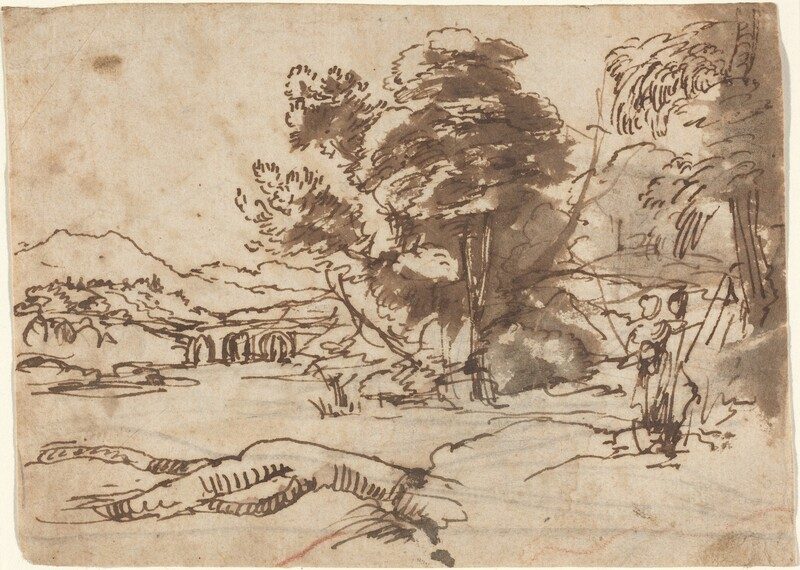
A fair resting place, full of summer sounds and scents.Plato, Phaedrus, c. 370 BCE
The Ilisos is a small river that ran just outside the walls of ancient Athens. In Plato's Phaedrus, Socrates leaves the city and walks along its bank to talk with a friend, in the shade of a plane tree. It is one of the best known scenes in the history of teaching.
What matters about the scene is where it happens. Learning was not locked inside a hall. It was outdoors, in conversation, and it moved at the pace of the people walking. We took the name because that is the kind of learning we want to build.
The humanities deserve better than a static page.
The big ideas of human history are about people, choices, and consequences. They are best understood by living inside them for a while.
- Ideas should not sit still.A book can tell you about the decisions Washington faced. An experience lets you make them, and feel why they were hard.
- Seeing and doing teach differently.Maps, paintings, letters, and choices let people see how events fit together in time and place, and remember them.
- New technology should serve the question.The tools to build these experiences have never been better. We want to use them to help people understand universal ideas such as liberty, duty, power, faith, money, and belonging.
- The humanities matter more as tools get stronger.The more capable our technology becomes, the more we need people who can think about what is worth doing with it.
Help us shape what comes next.
We are building the first experiences now. Sign up for the pilots, tell us what you want to explore, and help decide what we build next.